 | |||||
| Five Tips for Buying Backup Power
What Types of Generators Are There?
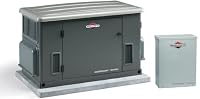
The number of circuits to which a standby generator can provide power--and the number of appliances you can run on those circuits--is determined by the power capacity of the generator. Standby generators are about the same size as, and look similar to, a standard central air conditioner. A standby model may cost as little as $1,500 or as much as $15,000 or more--the greater the power capacity, the higher the cost. Portable Generators: Portable generators are versatile. You can use them for
Portable generators range in cost between a few hundred dollars to several thousand dollars depending on the capacity and features. Inverters: Inverters turn DC power into AC power, the type of current that powers everyday appliances. A common use of an inverter is to connect one into a car's cigarette lighter and then plug small home appliances into the inverter. Inverters have added features over the years, and today many inverters include emergency radios, lights, or their own internal battery to store power. When you purchase an inverter, you need one that can handle the wattage of the appliances you intend to connect to it. Some inverters are made specifically to power low-wattage appliances, like portable phones or digital music players. Others can handle heavy-duty power tools. If you're buying an inverter that's powered by its own battery, you'll have to consider how many hours the inverter can provide power before needing a recharge. | |||||
| Expires Nov 19, 2008 |
Amazon Deal Of The Day
Friday, November 14, 2008
Free Shipping On Generators
Posted by
Good Deal


